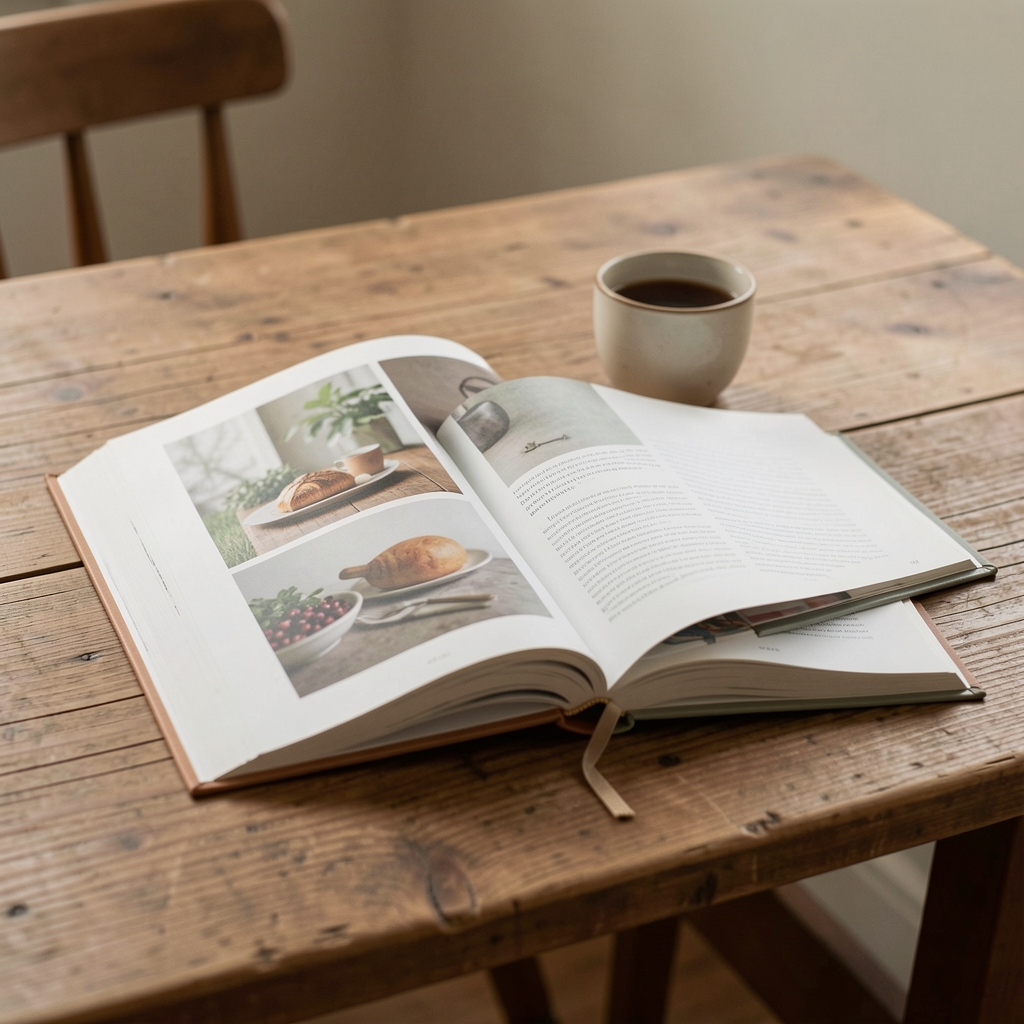
The cookbook industrial complex
Every celebrity has a cookbook now. Actors, singers, reality stars, retired athletes — if you have a name and a kitchen, someone will offer you a deal. Most of them are ghostwritten, photographed within an inch of their lives, and contain recipes nobody actually cooks on a Tuesday. They exist to sell at holidays and get gifted to people who already like the celebrity. The cooking is incidental.
But some are real. Here's how to tell, and which ones are worth the shelf space.
The ones worth buying
The test for a good celebrity cookbook is simple: would the recipes work if you removed the celebrity's name from the cover? If yes, it's a cookbook. If no, it's merchandise.
Ina Garten is the easy answer and everyone knows it, but she counts because she actually was in the food business before she was on TV. Her books aren't coasting on fame — the fame came from the books. Barefoot Contessa came out of a real store she ran. The recipes have been tested by real humans eating real lunches. That's why they work.
Stanley Tucci's book works because he's genuinely obsessed with food and has been his whole life. He's not an actor who likes to cook — he's a cook who happens to act. The Italian recipes in his book are things his family actually made. You can tell because there's no weird shortcut that breaks the dish.
Chrissy Teigen's first cookbook surprised people because it was honestly useful. She had a real co-writer, the recipes were tested, and they were the kind of food you'd actually make for a group. The follow-ups got more uneven, but the first one earned its spot.
The ones to skip
Here's where it gets mean, but you deserve to know.
Skip any cookbook where the celebrity's face is bigger than the food on the cover. That's a product, not a guide. Skip any book where the recipes have cutesy names tied to the celebrity's projects — if a pasta dish is named after a movie that flopped, nobody tested it.
Skip the models-who-eat books. There's a whole subgenre of cookbook from people whose entire brand is being thin, and the recipes are either things nobody would serve twice or so vague you can't replicate them. They sell on aspiration, not utility.
want the good stuff monthly?
one short email, no spam.
Skip the ones with no recipe headnotes. A real cookbook writer tells you why a dish matters, what went wrong the first three times, what to swap. A ghostwritten celebrity book gives you a list and moves on. If there's no voice in the headnotes, there was no cook behind it.
The in-between tier
Some books are fine. Not great, not bad. They have three recipes you'll make and 70 you won't. That's most celebrity cookbooks. If you already like the person, fine. If you're buying for the food, you're overpaying.
A few musicians have put out books that are surprisingly decent because they grew up cooking in big families and the recipes are real heirlooms. Those tend to be better than the actors' books, because actors often eat catered food for a living and don't know how their own kitchen works.
How to buy smart
If you're gifting one, ask yourself: does the recipient want to cook from it, or do they want the celebrity on their counter? Both are valid reasons to buy a book. Just be honest which one you're paying for.
If you're buying for yourself, ignore the name and flip to three random recipes. Read them. If they make sense and you can picture the dish, buy it. If the recipe reads like it was written by someone who's never made it, put it down. The celebrity's name tells you nothing. The recipe tells you everything.
The best celebrity cookbooks are the ones where the celebrity is almost beside the point. The food is the point. That's how you know they meant it.