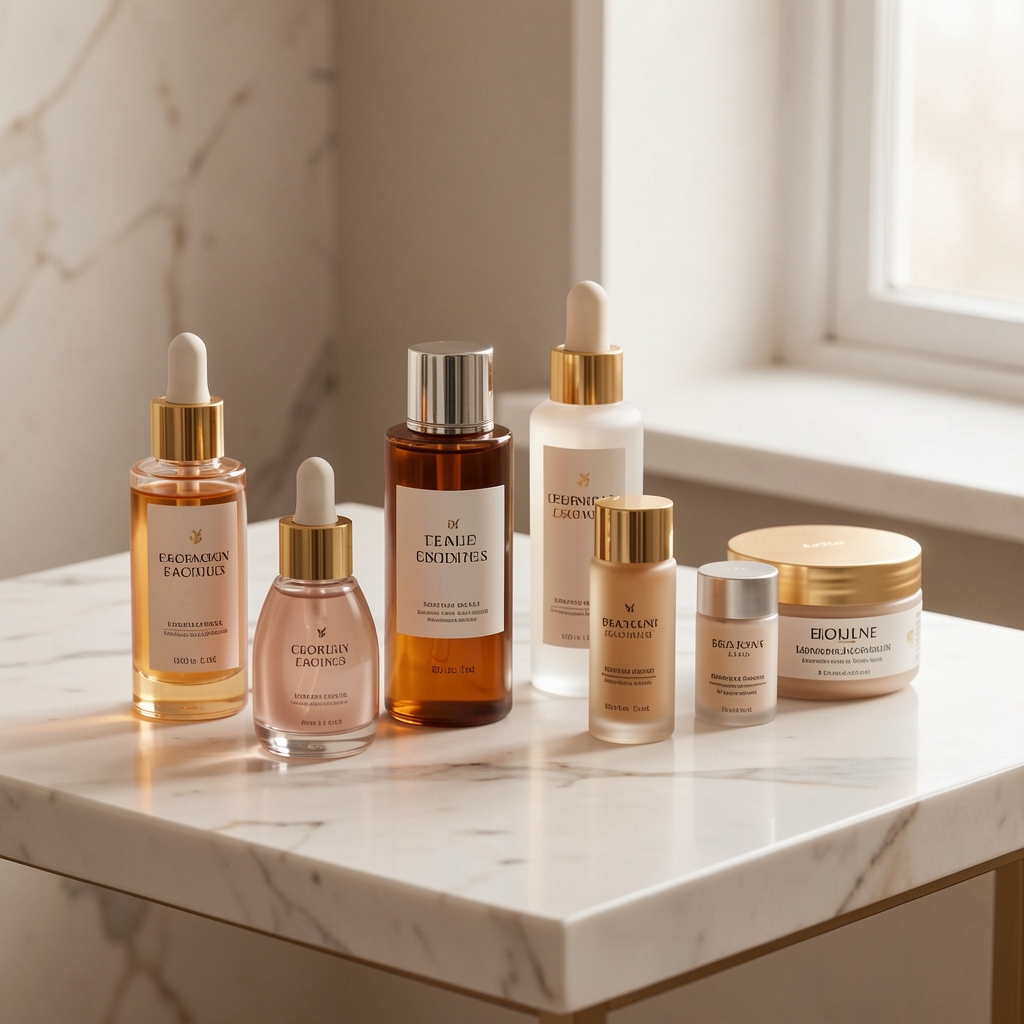
Not every celebrity brand is a cash grab
The celebrity brand market is exhausting. Every week someone launches a tequila, a skincare line, a candle that smells like their "calm place." Most of it is a licensing deal with a manufacturing partner, a celebrity face on the box, and a price markup that covers the marketing budget. You're paying for the name.
But some celebrity brands are genuinely good. Not good-for-a-celebrity-brand. Good. Here are the ones that earned their shelf space and the ones that didn't.
Rihanna: Fenty Beauty changed the industry
Fenty Beauty, launched in 2017, is the one everyone points to and for good reason. Rihanna didn't just slap her name on a product line — she built a cosmetics brand that addressed a real gap in the market. Fenty launched with 40 foundation shades, which sounds obvious now but was radical at the time. Most brands offered 10 to 15 shades and called it done. The industry scrambled to catch up.
The quality held up. The Pro Filt'r foundation is still recommended by makeup artists. The gloss bomb is a genuine cult product. Rihanna also launched Savage X Fenty, a lingerie line that pushed inclusivity in a similar way. Whether every product is for you is beside the point — the brands changed what consumers expect from the entire industry.
Hailey Bieber: Rhode found a real niche
Hailey Bieber's Rhode, launched in 2022, could have been another celebrity skincare line. Instead it found a specific lane: glazed, dewy, minimalist skincare at a reasonable price point. The peptide lip treatment went viral and stayed viral. The phone case-and-lip-balm combo was a marketing stroke of genius that actually worked as a product.
The reason Rhode works is the price-to-quality ratio. Most of the products are under $30, and they do what they say they do. You're not paying a luxury markup for a celebrity name. You're paying a fair price for a decent product that happens to have a famous founder. That's the bar, and most celebrity brands miss it.
Selena Gomez: Rare Beauty got the formula right
Rare Beauty, launched in 2020, did something smart: it built mental health advocacy into the brand from the start. The Rare Impact Fund pledges 1 percent of all sales to mental health services, which is a real commitment, not a one-off charity photo op.
The products are also good. The Soft Pinch Liquid Blush is the product that put the brand on the map — pigmented, blendable, and available in a wide shade range. The lip products and foundations hold up in reviews. Like Fenty, Rare Beauty succeeded because the products earned their reputation, not because Selena Gomez has a big following.
The ones that are just fine
There's a middle tier. These aren't bad products — they're fine. They're just not special enough to justify buying for the product alone. If you already like the celebrity, you'll enjoy them. If you don't, you're not missing anything.
Jessica Alba's Honest Company built a business on clean household and baby products. The company went public in 2021. The products are decent — the diapers and cleaning supplies work — but they're competing in a crowded market where "clean" doesn't mean what it used to. The brand has had to reckon with lawsuits over ingredient claims, which is the kind of thing that happens when your whole identity is "clean" and someone finds an ingredient they don't like.
want the good stuff monthly?
one short email, no spam.
Kylie Jenner's Kylie Cosmetics had a massive launch in 2015 — the original lip kits sold out in minutes and built a brand that made Jenner the youngest self-made billionaire on paper. But the brand's cultural hold has softened over the years as the market flooded with celebrity beauty lines. The brand still sells, but it doesn't dominate the conversation the way it once did. That's fine — not every brand needs to be forever. But it's an example of a brand that was more event than institution.
The ones to skip
Here's where it gets a little mean, but you deserve to know.
Skip any celebrity liquor brand where the celebrity doesn't actually drink or know anything about spirits. There are several. The liquid inside is often fine — it's made by a real distillery — but you're paying a premium for marketing and the celebrity takes a cut for showing up at the launch party. If you want good tequila, buy from a brand that's been making it for generations.
Skip celebrity candles. Almost all of them are made by the same few manufacturers with a different scent profile and a celebrity name on the label. You can get a better candle for a third of the price at a local shop.
Skip anything where the celebrity's face is bigger than the product on the packaging. That's a product, not a brand.
What People Actually Ask
Which celebrity beauty brand is actually the best?
Fenty Beauty and Rare Beauty are the two with the strongest reputation among actual makeup artists and reviewers. Both launched with wide shade ranges and products that hold up under testing. Rhode is the best value pick in skincare.
Are celebrity liquor brands ever worth it?
Some are. The ones where the celebrity has a real involvement in production and a genuine passion for spirits can be decent. But most are licensing deals with a manufacturer — you're paying for marketing. Research who actually makes it before you buy.
What makes a celebrity brand succeed?
The ones that work solve a real problem — Fenty's shade range, Rhode's price point, Rare Beauty's mental health mission. The ones that fail are vanity projects where the product is incidental to the celebrity. Audiences can tell the difference.
Should I avoid celebrity brands entirely?
No. Judge each one on its merits. Ignore the name on the box and ask: would I buy this if it didn't have a celebrity founder? If yes, buy it. If no, you're paying for marketing.