The maturation that finally happened
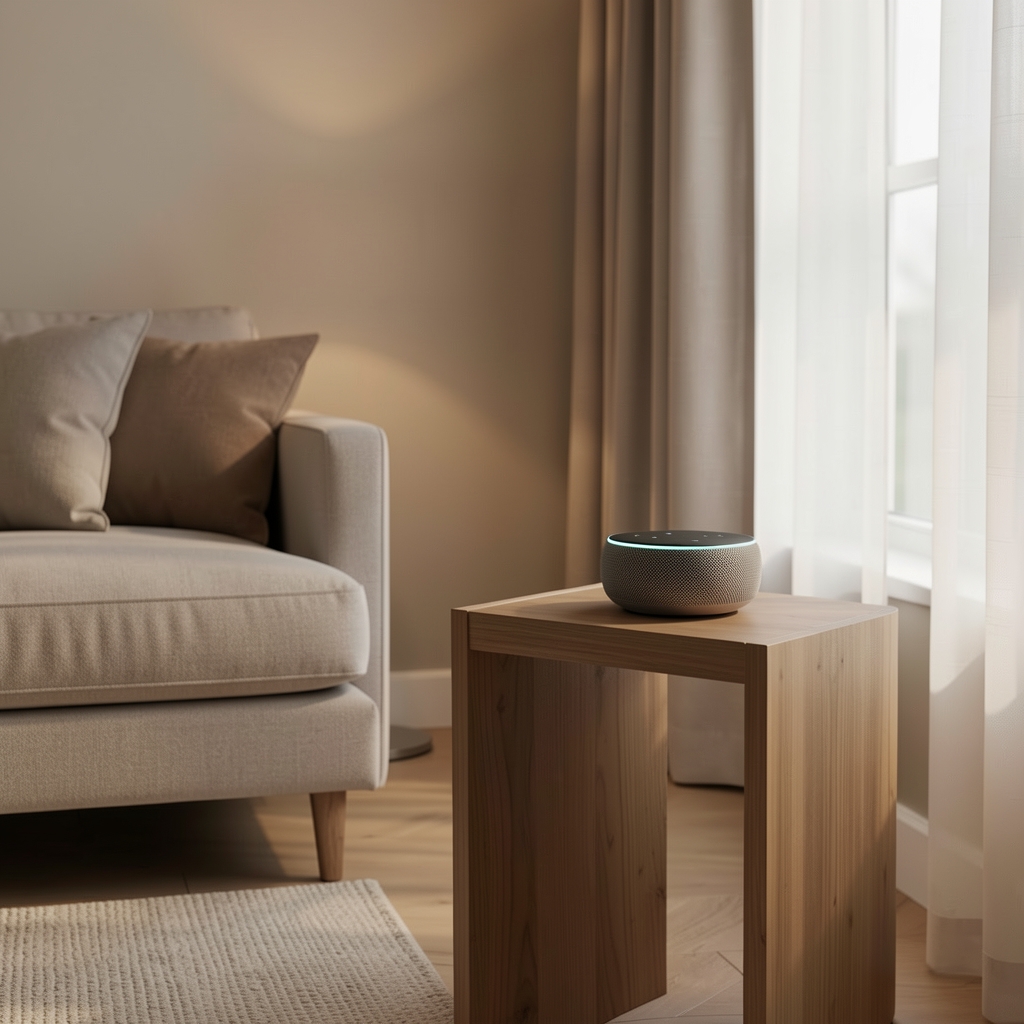
Smart home tech spent a decade promising a future where your lights, your thermostat, your doorbell, and your speakers all talked to each other. For most of that decade, the reality was five apps, three hubs, and a cloud outage that turned your lights off. Mid-2026, the maturation that was always coming finally arrived in a usable form.
The Matter standard, the protocol designed to let devices from different brands work together, gained real adoption through 2025 and into 2026. It's not perfect, but the experience of buying a smart bulb or a thermostat and having it work with your existing setup is meaningfully better than it was two years ago. The dream of one app for everything is still not real. The reality of fewer apps is.
The integrations that actually matter
Samsung's SmartThings platform had a strong 2026 for integrations, and the cross-brand compatibility story got better across the board. EcoFlow and LG announced a partnership to create unified smart home systems, tying battery storage and appliances into a single management layer. That kind of integration matters more than another smart bulb color.
The categories worth spending on in 2026, based on what people actually use:
- Smart thermostats, which pay for themselves in energy savings within a year or two.
- Video doorbells, which are the single most-used smart home device for most households.
- Smart lighting for the lights you use most, not the whole house.
- Robot vacuums, which have gotten good enough to be worth the cost if you have pets or hard floors.
The categories that are still mostly gimmicks: smart fridges, smart mirrors, and anything that puts a screen on an appliance that doesn't need one.
The AI layer that arrived
2026 is the year AI features started showing up in smart home devices in a way that changes the experience rather than just adding a voice assistant. The thermostats that learn your schedule got better at learning. The robot vacuums got better at mapping. The cameras got better at telling the difference between a person, a package, and a raccoon.
The CES 2026 highlights reinforced the direction: more robots, more integration, more devices that make decisions for you. Whether that's a good thing depends on how much you trust the decisions.
The privacy tax
Every smart home device is a microphone, a camera, or a sensor that sends data somewhere. The privacy tradeoff is the same one that's defined consumer tech since the phone became a tracking device. You get convenience. The company gets your data.
The difference in 2026 is that the amount of data is larger and the inferences are sharper. A smart thermostat knows when you're home and when you're not. A video doorbell knows who comes to your door and when. A smart speaker hears every command and processes it on a server. The companies have privacy policies. The policies say they handle it carefully. The history of that claim is mixed.
want the good stuff monthly?
one short email, no spam.
What the HGTV hype machine tells you
The 2026 HGTV Smart Home giveaway is in Florida near theme parks, a property valued around $1.3 million, and the coverage of it is a useful catalog of what's marketed as smart home luxury vs what you'd actually use. The poolside paradise aesthetic is great for television. Most of the integrated features are things you can replicate in a normal house for a fraction of the cost.
What People Actually Ask
What smart home devices are actually worth buying in 2026? A smart thermostat, a video doorbell, and a robot vacuum if you have hard floors or pets. Those three cover the most common daily use cases and each one saves time or money. Skip the smart fridge.
Is Matter really going to fix smart home compatibility? It's helping, not fixing. Devices from different brands work together better than they did, but the experience still varies by manufacturer and platform. Read recent reviews before buying anything based on Matter compatibility claims alone.
Are smart home devices safe from hacking? No connected device is fully safe, but the major brands invest more in security than the no-name devices on marketplace sites. Use strong unique passwords, enable two-factor authentication where available, and keep firmware updated. Avoid cheap cameras from brands you've never heard of.
What's next
The rest of 2026 will bring more AI features into existing devices and more cross-brand partnerships. The price of entry will keep dropping on the basics. The premium will be on integration, the stuff that actually makes a house feel smart rather than just full of gadgets. The best smart home in 2026 is the one that does a few things well, not the one that connects everything to everything.