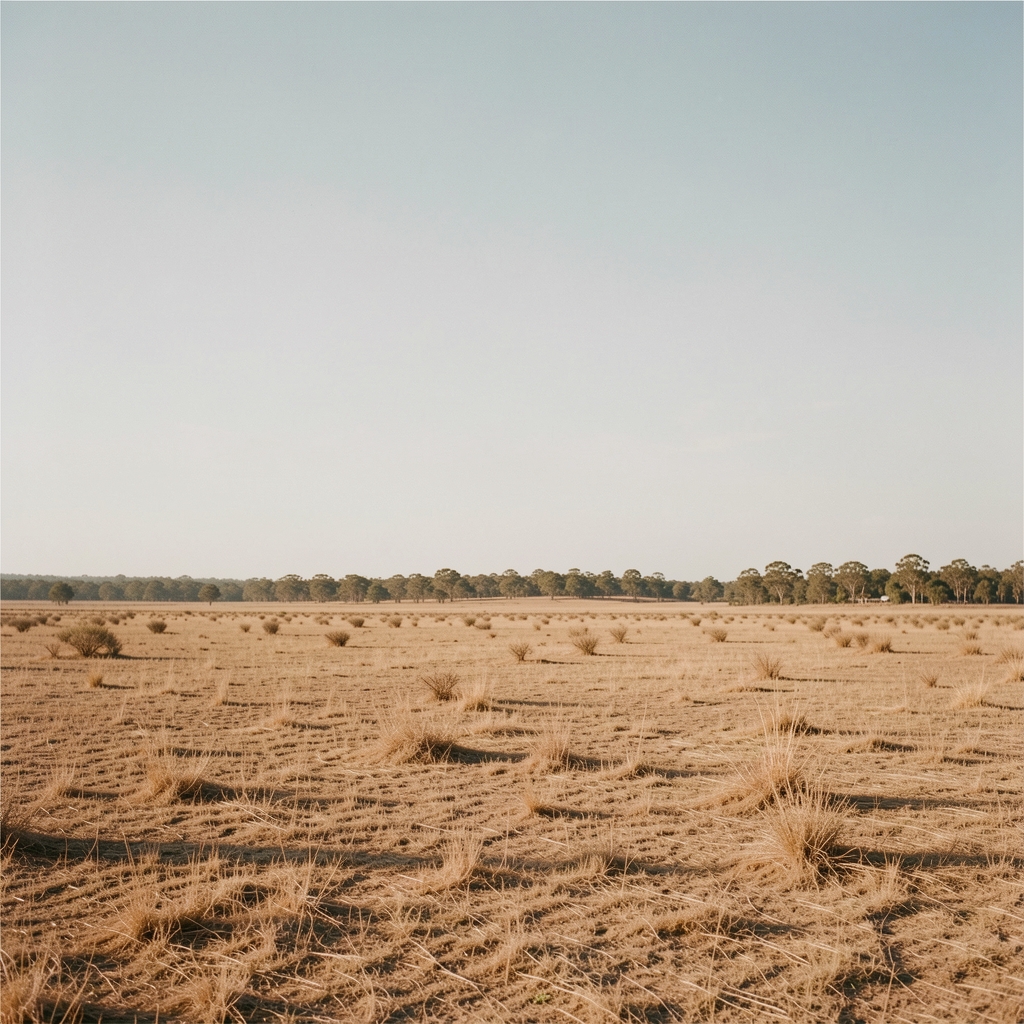
The summer that broke records again
Summer 2026 came in hot and kept going. Western Europe set new temperature records during a stretch of heat waves that hit the region in waves. All major Italian cities went to red alert. Austria set a heat record. Europe experienced its fourth major heat wave of the summer by August, and early estimates from the first European heat wave suggested it may have contributed to over 10,000 deaths.
The United States had its own version. A tropical storm, a heat dome, and toxic air hit different parts of the country in overlapping stretches. Dangerous heat fueled wildfire concerns across the West and Southwest. Arizona's wildfire risk from heat waves stayed elevated through the summer. The pattern isn't new. It's the background condition now.
The El Nino factor
Scientists warned through 2026 that the hottest years are still ahead, with El Nino conditions set to potentially supercharge already extreme heat. The El Nino-La Nina cycle doesn't create the warming trend, but it layers on top of it. An El Nino year on top of a warming climate is the kind of thing that pushes a bad heat summer into a record-breaking one.
The honest framing for 2026 is that the "is this the new normal" question is answered. It is. The conversation has shifted to what to do about it, and that conversation is not going to end.
How extreme heat is changing daily life
A new poll this year examined how extreme heat is changing Americans' lives, and the results track what you'd expect. People are shifting outdoor activities earlier or later in the day. Outdoor workers face rising risk. Power grids hold, barely, in several regions during peak demand. Schools without air conditioning are a real problem in heat waves, and that problem is going to get worse before it gets better.
The workplace heat standard conversation moved forward slowly. OSHA's heat protection rulemaking has been criticized as too slow by labor groups, and the 2026 summer reinforced that complaint. Workers are still waiting for federal heat protections that have been in process for years.
The wildfire season that runs longer
The wildfire story in 2026 is less about single catastrophic events and more about the season getting longer. Arizona's heat-fueled wildfire risk stayed elevated through stretches that used to be shoulder months. The West's fire season now bleeds into what used to be fall. The infrastructure, the firefighting resources, and the insurance markets are all built around a season that no longer matches the calendar.
The air quality problem
Heat and fire together produce the thing that affects the most people: bad air. Smoke from western wildfires drifted across the continent in stretches this summer, the same pattern that's become routine. The Gulf Coast faced its own beach warnings. Cities that never used to issue air quality alerts now do, and the alerts are no longer abnormal. If you have asthma, a child, or an elderly parent, the summer air quality forecast is something you check now the way you check the weather.
want the good stuff monthly?
one short email, no spam.
Who's most at risk
The pattern of who gets hit hardest by extreme heat hasn't changed. Outdoor workers, elderly people living alone, low-income households without air conditioning, and anyone in a poorly insulated urban apartment. The cities that opened cooling centers during heat waves did the work, but the coverage is uneven and the people who need them most are often the least able to get to one. The public health response to heat is getting better in some places. It's not getting better fast enough anywhere.
What People Actually Ask
Was summer 2026 the hottest on record? Several regions set local and national records, particularly in Western Europe. Global temperature data for the full summer will be confirmed later, but the pattern of record-breaking heat waves continued the trend of the past several years.
How can I stay safe in extreme heat? Stay hydrated, limit outdoor activity during peak afternoon hours, check on elderly neighbors and anyone without air conditioning, and know the signs of heat exhaustion and heat stroke. If you work outdoors, take shade breaks and don't push through symptoms.
Is the grid going to hold during heat waves? Most grids have held so far in 2026, but some regions came close to capacity limits during peak demand. The risk is real during sustained multi-day heat domes when air conditioning use peaks and cooling infrastructure runs continuously.
What's next
The rest of August and into September will stay hot in many regions before the seasonal shift. The wildfire season will continue past its historical end date in several areas. The conversation about heat protection for workers, grid resilience, and long-term adaptation will keep going because it has to. The weather news is climate news now, and that's the part that doesn't change.