The sales number nobody expected to hold
Electric vehicle adoption was supposed to stall in 2025. It didn't. Mid-2026, the global EV market is still growing, and the pace has surprised the analysts who predicted a plateau. Worldwide, roughly a quarter of new car sales are now electric vehicles or hybrids. That's a real number, not a projection. The shift that started as a coastal luxury purchase has spread into middle America, Southeast Asia, and parts of Africa that weren't on anyone's EV map five years ago.
India's EV sales jumped 66% year-over-year in July 2026, led by Tata and Mahindra. Australia's market kept powering on with BYD and Toyota's hybrid RAV4 surge. The story isn't one country anymore. It's everywhere at different speeds.
The models getting cut
The uncomfortable part of the 2026 EV story is the graveyard. Automakers have axed a surprising number of electric models this year. The ones that sold poorly, the ones that were too expensive, the ones that arrived a year too late. The American EV graveyard grew again in 2026, and that's actually a sign of a maturing market. The early experiments are being culled. The models that remain are the ones people actually buy.
The charging problem that's slowly getting solved
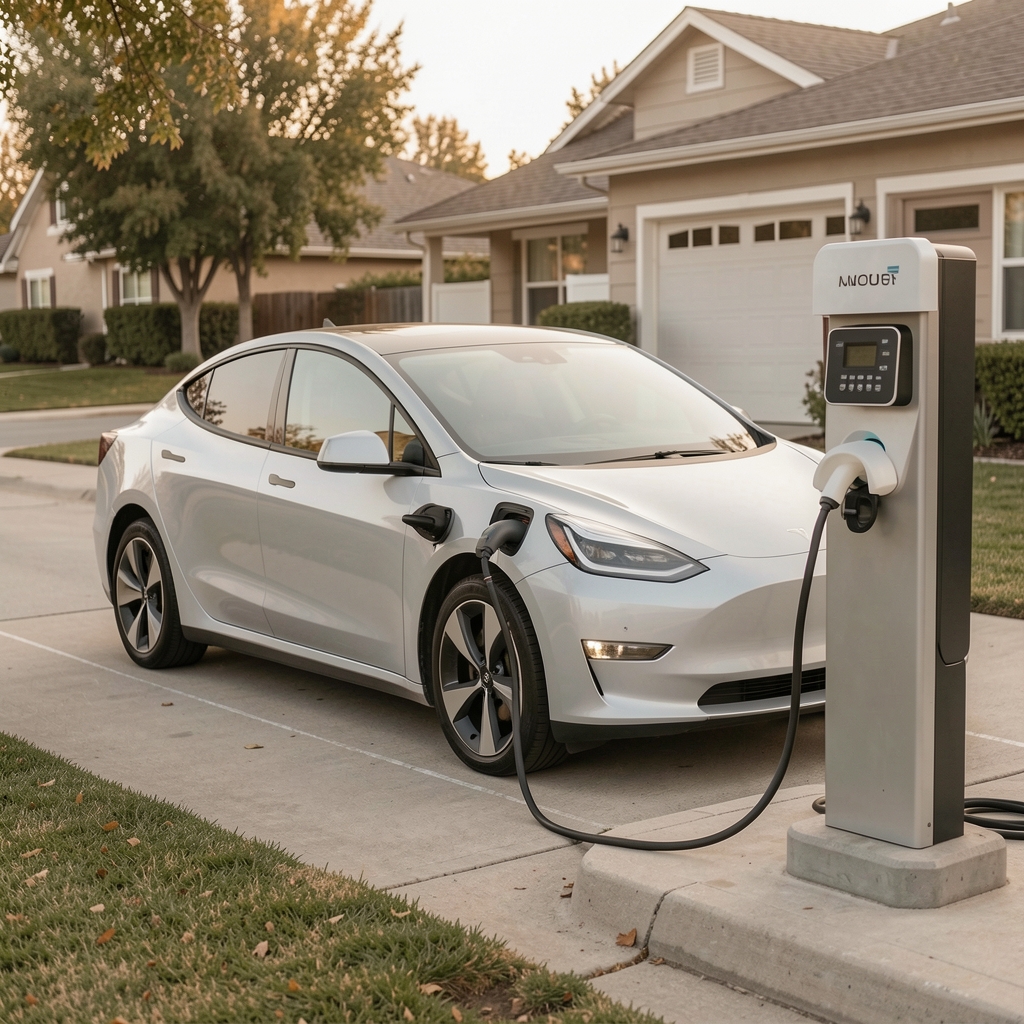
The single biggest barrier to EV adoption has always been charging. Not range, not price. Charging. The question every buyer asks is some version of: where do I plug this in on a road trip, and how long does it take?
The infrastructure is catching up, unevenly. Urban and suburban areas are in decent shape. Highway corridors are getting better. Rural areas are still a problem. The networks that reliability polls follow have improved their uptime, and the number of fast chargers per mile of interstate is up meaningfully from 2024. It's not solved. It's just less of a reason to say no.
The tax credit seesaw
The federal EV tax credit has been a moving target since it was introduced, and 2026 has been another year of whiplash. The rules about which vehicles qualify have shifted. The income caps have stayed. Some buyers have given up trying to figure out whether their specific vehicle and trim and battery sourcing still qualify, and that confusion alone has probably cost more sales than the credit amount.
California, as usual, is doing its own thing. The state announced new $3,500 rebates for electric vehicles in 2026, on top of whatever federal incentive applies. If you live in California and you're buying an EV, the combined benefit is real money.
want the good stuff monthly?
one short email, no spam.
The hybrid middle ground
The quiet winner of 2026 is the hybrid. Plug-in hybrids and traditional hybrids are growing faster than pure EVs in several markets. Indonesia saw hybrid sales surge 45% and is reconsidering its incentive structure because of it. The buyer logic is simple: you get electric for the daily commute and gas for the road trip. No charging anxiety. No range calculations. The Prius and RAV4 Hybrid are selling as fast as dealers can stock them.
What People Actually Ask
Is now a good time to buy an electric vehicle? If you charge at home and your daily driving is under 200 miles, yes. The math on fuel savings vs gas works in most states. If you can't charge at home or you take long road trips regularly, a plug-in hybrid is the safer bet right now.
How long does it take to charge an EV at a public station? A fast charger can get most EVs from 10% to 80% in 20 to 40 minutes. Level 2 chargers, the kind at hotels and parking garages, take several hours. The difference matters and it's why fast-charger availability on highways is the real adoption bottleneck.
Will the federal EV tax credit still exist next year? The credit's eligibility rules have changed multiple times since it was introduced. Check the current qualifying vehicle list on the IRS and DOE websites before you buy. The credit itself may remain, but the vehicle you want may not qualify depending on battery sourcing rules.
What's next
The second half of 2026 will sort the EV market further. The automakers with deep model lineups and their own charging networks will pull ahead. The ones with two models and a lot of promises will struggle. The hybrid middle ground will keep growing because it solves a problem pure EVs still haven't fully solved. And the charging map will keep filling in, one installation at a time.