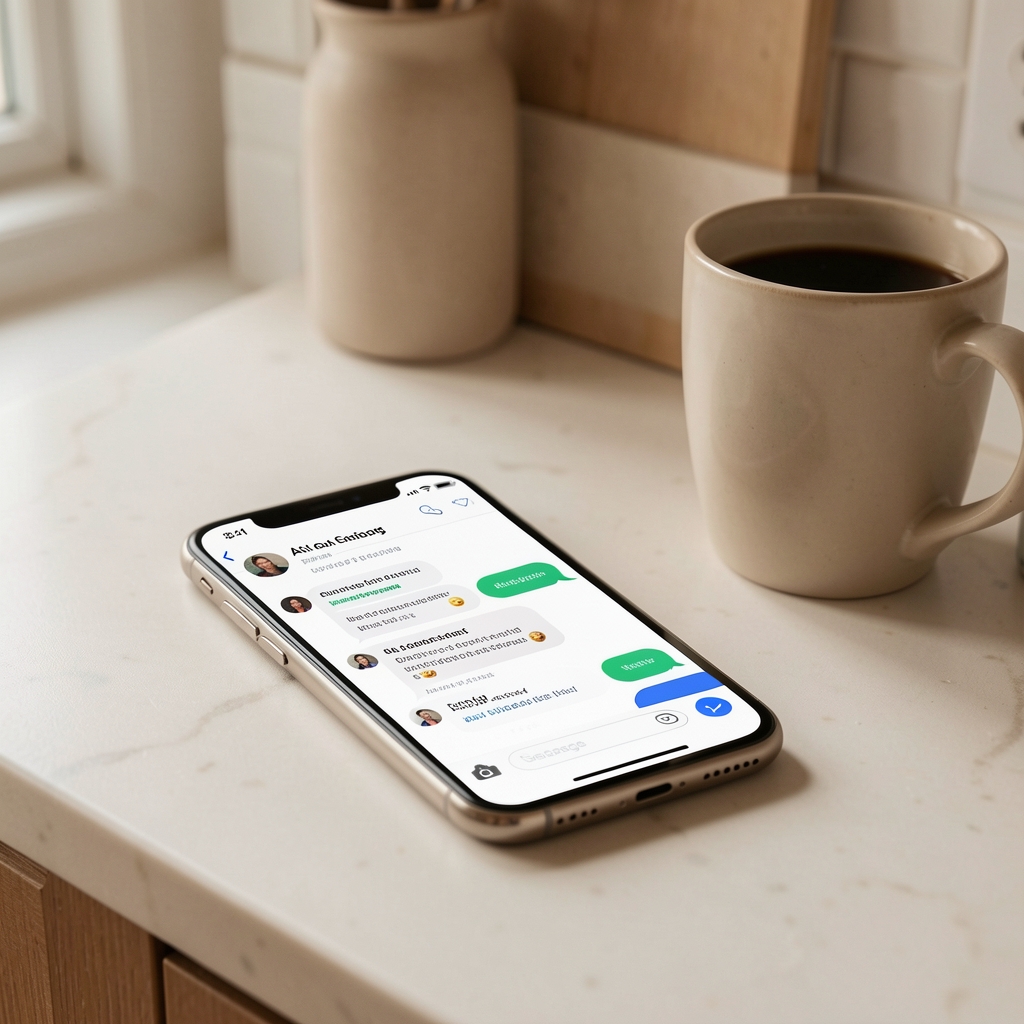
The chatbot that won't go away
Two years ago, asking an AI to draft an email felt like a party trick. Mid-2026, it's a Tuesday morning for a lot of office workers. ChatGPT held more than half the AI assistant market for over three years, and then in March 2026, that finally flipped. Google's Gemini and Anthropic's Claude have eaten into ChatGPT's global user share, and the competition is real for the first time.
Google's Gemini is nearing a billion-user milestone through its integration into Android, Search, and Workspace. The assistant that used to live in a single app is now baked into the phone you already carry.
What people actually use it for
The everyday use cases have settled into a few predictable lanes. Writing and editing emails is the big one. Summarizing long documents and threads is second. Drafting messages when you don't know what to say is third. The people who get the most out of these tools aren't doing anything flashy. They're offloading the small writing tasks that eat twenty minutes a day.
The $20-a-month subscription is now everywhere, and the honest answer about whether it's worth it depends on one thing: do you write for a living or write a lot for work? If yes, it pays for itself in saved time. If you type three emails a day, skip it.
Where it still falls apart
The failures are still real. AI assistants confidently make things up. They cite sources that don't exist. They get basic facts wrong in a way that sounds correct, which is the worst kind of wrong. Anyone who's used these tools for a few months has a story about a hallucinated stat or a made-up citation in a work document.
The gap between what the demos show and what the tools do in practice is narrowing, but it's not closed. The people who use these well have learned to treat the output like a fast first draft, not a finished product. The people who trust it blindly are the ones who get burned.
The privacy question nobody fully answers
Every time you ask an assistant to summarize your emails or draft a response, you're sending your data somewhere. The companies have privacy policies. The policies are long. Most people don't read them. The tradeoff is convenience for data, and it's the same tradeoff that's defined every tech platform since 2005. AI just makes it feel more personal because the data is your words, not your clicks.
want the good stuff monthly?
one short email, no spam.
The assistant in your phone vs the assistant on your desk
Gemini's advantage is distribution. It's in Android, it's in Google Workspace, it's in Search. ChatGPT's advantage is brand and habit. Claude's advantage is the people who care about writing quality. The assistant you use in 2026 probably has less to do with which one is best and more to do with which ecosystem you already live in.
What People Actually Ask
Which AI assistant is best for everyday tasks in 2026? For general use, ChatGPT still has the most polish. Gemini wins if you live in Google's ecosystem. Claude produces the best writing quality if you care about tone. They all handle email drafting and summarization fine. Pick the one that's already in the tools you use.
Is the $20 monthly subscription worth it? If you write for work more than a few times a day, yes. The time saved on drafting and editing pays for itself quickly. If you only need it occasionally, the free tiers on all three are good enough for basic tasks.
Can AI assistants be trusted with facts? Treat the output like a fast first draft, not a finished product. They hallucinate sources, make up statistics, and get dates wrong in ways that sound plausible. Always verify anything specific before you send it.
Where this goes next
The race is tightening, and that's good for everyone except the companies paying for it. Expect Gemini and ChatGPT to keep trading the top spot through the rest of 2026. Expect the free tiers to get worse as the companies push paid plans. And expect the privacy conversation to get louder, not quieter, as these tools move deeper into daily work.